Guest survey for a sustainable region
Guest Survey Summer 2026

Your opinion matters!
Share your experiences from your summer stay and help us further develop the Dolomites Region Seiser Alm in a sustainable way.
Duration: approx. 10 minutes

>>Participate now
Logo Südtirol
Towards a conscious approach to shaping our living environment
The alma network
Alpe di Siusi Marketing Soc. coop.
idm-suedtirol-alto-adigepatrick-schwienbacher

From our farms. For our tables.

How farmers and restaurateurs work together

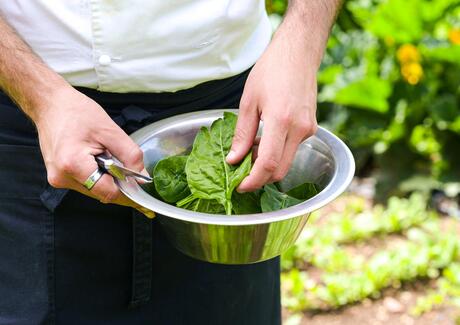
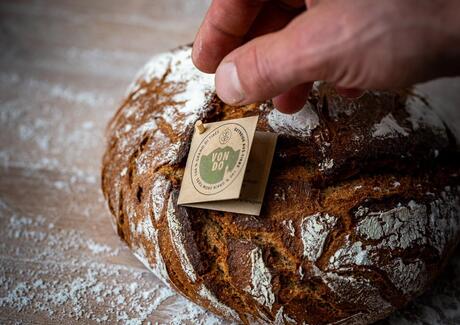
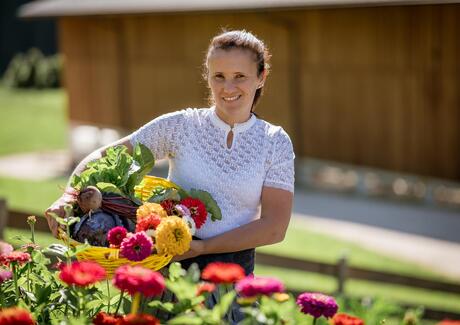
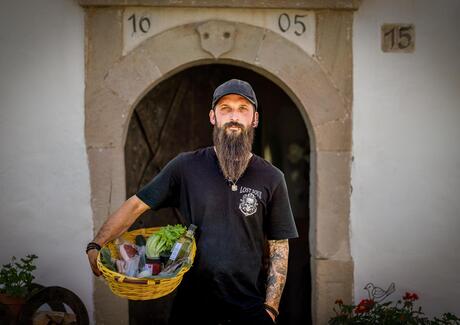
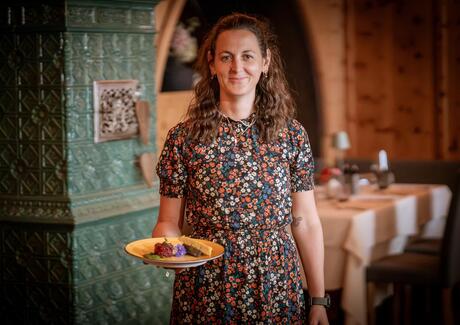
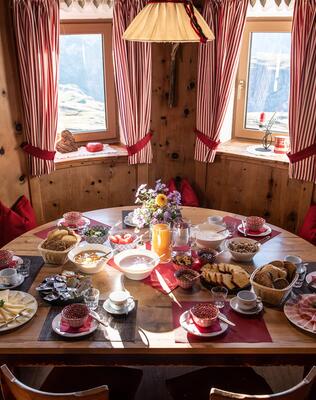
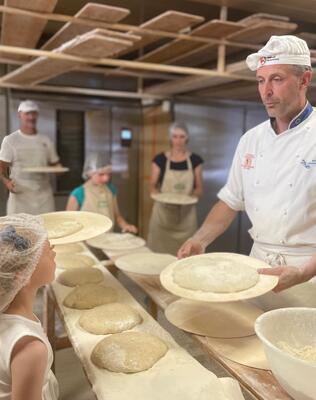
The food on your plate in the Dolomites Region Seiser Alm does not get there by accident. The “von do” bread from Tiers am Rosengarten [SU1.1]is served at the breakfast table, accompanied by cheese from Seis or honey from the Seiser Alm, while the muesli contains pieces of dried apple from Völs and fresh fruit from Kastelruth. Behind these products lies close collaboration between farmers and restaurateurs. Together, they decide what can be grown, what is needed, and how to combine the two. Origin is not just an afterthought, but rather a conscious choice – rooted in an understanding of the place and the people behind it.
The alma network
Towards a conscious approach to shaping our living environment
  • What alma means
  • Vision and community
  • Designing the future
  • Producer list
  • Member info
  • alma-logo-en-gruen
    A name that connects
    The name ‘alma’ comes from the Latin and has a number of meanings, including ‘nourishing’ or ‘fertile’. Both fit perfectly with the concept behind the network: people from the agricultural and catering industries work together to consciously shape the region and to use their resources responsibly. alma represents a way of doing business that is built on relationships – between producers, restaurateurs and the countryside in which their food is grown. The emphasis lies on appreciation: for the work that people do, for the origins of the products, and for the knowledge that has developed in the region.
  • vision-gemeinschaft
    Cooperation that lasts
    alma brings to light what often happens behind the scenes: a partnership between the agricultural sector and the catering industry that is built on trust and that goes beyond individual deliveries. Farmers and restaurateurs coordinate their efforts, work with one another and develop their partnership, step by step. This creates a local economic cycle which brings together supply and demand. The businesses can rely on one another and work together in order to develop a way of interacting that is deeply rooted in the region.
  • zukunft-gestalten
    Responsibility for tomorrow
    alma represents a type of economics that also considers tomorrow. The agricultural and catering sectors treat the region’s natural resources with care, and share responsibility – environmentally, socially and economically.  At the same time, local economic cycles are born out of new ideas. That is why those involved share their knowledge, communicate openly with one another and work together to find ways of strengthening the region in the long term.
  • A sourdough bread
    Working together, developing pathways
    alma reinforces the connection between agriculture and the catering industry in the Dolomites Region Seiser Alm. Businesses coordinate their efforts, plan ahead and develop their collaboration step by step. The diversity of the producers involved and their products demonstrates just how extensive the network is – as is the wide range of goods produced in the region.
  • brand-manual
    Making alma visible
    To help ensure alma remains recognisable as a network, all our members have access to a common framework for communication. The brand manual describes the visual and verbal performances – from the imagery and language all the way up to the use of logos. The text modules from the toolbox, on the other hand, help to explain alma clearly and consistently on websites, in menus or in information materials.
Stories from the network
The people behind alma
What does it take for local food to make its way from the farm to our tables? The answers to this question are as diverse as the people involved. In these interviews, farmers and restaurateurs discuss the decisions, challenges and collaborations that shape their day-to-day work. Each story provides a unique view of alma – together, they bring the network to life.
-martin-kompatscher-bergler-acker-36-kopie
  • Oberprantacher bakery
  • Bergler Acker
  • Zimmerlehen manor
  • Hotel Paradies
  • Metzgerei Stefan
  • Obermalid
  • -martin-kompatscher-baeckerei-oberprantacher-02-kopie
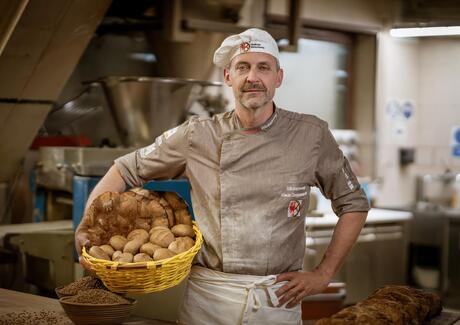
    Bread is a commonplace, often unremarkable side dish to many meals. At the Oberprantacher bakery in Seis, it’s back in the spotlight. Klaus Oberprantacher uses grain from Kastelruth, mills it himself and transforms it into wholemeal bread with real character. The Hoamatleabele loaf embodies this approach: locally sourced, handcrafted and with a rich, authentic flavour. Find out why there’s more to this bread than just flour, water and time, and why it often requires a bit more explanation whenever it’s on sale.
  • -martin-kompatscher-bergler-acker-29-kopie
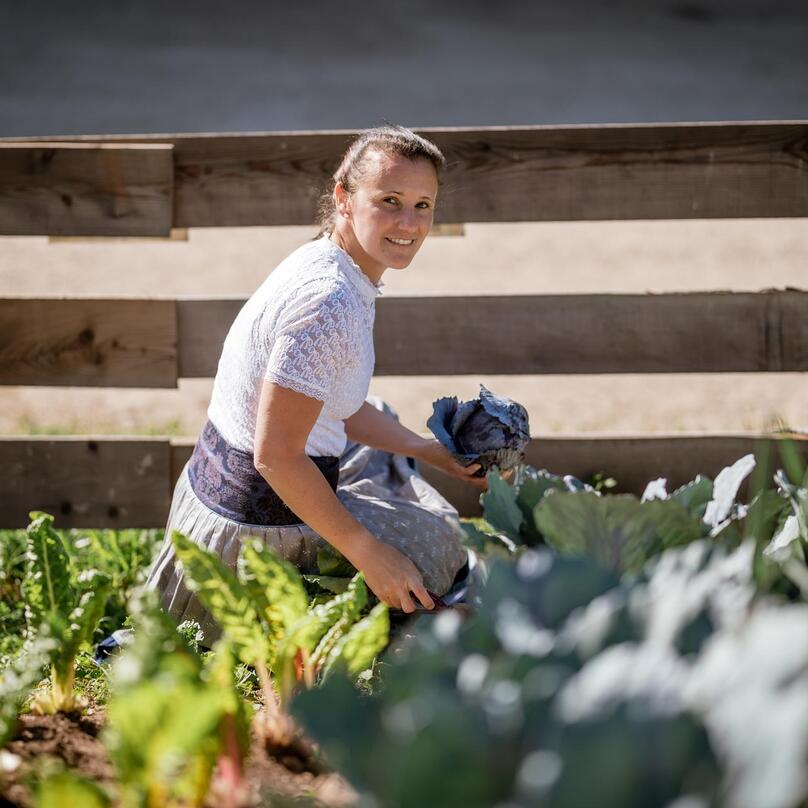
    Behind the barn at the Messnerhof in Tiers, vegetables are grown for hotels, restaurants and an Alpine hut. Bergler Acker was created in response to a specific need. There were no local producers capable of growing large quantities of vegetables, so several businesses decided to take matters into their own hands. Today, it's not just cabbages, potatoes and Swiss chard that are grown there, but also dialogue, trust and new forms of collaboration. This community project only works because everyone take responsibility: find out more here.
  • -martin-kompatscher-3-kopie
    At the Zimmerlehen manor in Völs, Simon Kompatscher rears oxen - slowly, with plenty of room to move, and with clear conviction. The cooperation with a local butcher provides planning certainty, the marketing process remains transparent and the lines of communication are short. At the same time, this example highlights the potential of locally sourced meat: not just in the sought-after prime cuts, but in the animal as a whole. Keep reading to find out why hospitality plays an important role here and how it can create added appreciation for local meat products.
  • -martin-kompatscher-hotel-paradies-10-kopie
    At the Hotel Paradies in Tiers am Rosengarten, it’s not the shopping list that sets the tone, but the natural surroundings. Katharina Pircher and Alex Andreis rely on whatever is currently in season: from their own network, from the Bergler Acker and from the local area. This approach brings a breath of fresh air to the kitchen: thinking seasonally, responding flexibly, working creatively. At the same time, this results in a more mindful approach when dealing with guests, prices and portion sizes. Find out why this approach only works step by step and what it takes to make it work.
  • -martin-kompatscher-metzger-stefan-03-kopie
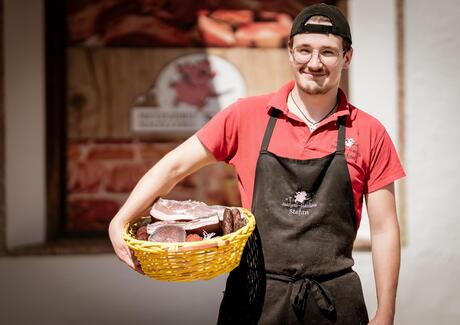
    At Metzgerei Stefan in Seis, the beef and veal almost exclusively come from nearby farms. Together with the livestock farmers, Max Rabensteiner focuses on short supply chains, fair prices and long-term partnerships. Since 2024, the family has also been running the local abattoir in Kastelruth, helping to bolster local meat processing. This example demonstrates the sheer potential held by local meat and the roles played by hospitality, butchers and producers working together. This interview sets out why value creation and appreciation are inextricably linked.
  • -martin-kompatscher-obermalid-05-kopie
    At Obermalid in St. Oswald, they're growing grain which is turned into pasta right on the farm. Max, Brigitte and Philipp Malfertheiner have revived the farm and, with a big helping of hard work, set up a small pasta production business. From threshing and milling to the finished pasta, almost everything is done on site – using spelt and buckwheat grown on their own farm and eggs from their own chickens. Find out why the Malfertheiner family is placing all their bets on grains, how they got into making pasta, and what gives their pasta its distinctive taste!
  • Tschötsch Alm
  • Vigilerhof
  • Winegrowers of Völs
  • Zum Turm
  • Grain from Tiers – processed locally
  • Visiting the Pioneers
  • -martin-kompatscher-tschoetsch-alm-08-kopie
    At the Tschötsch Alm on the Seiser Alm, the menu is based on what’s in season – not the other way round. Georg Jaider sources many of his products from his brother’s farm, from producers along the route to the hut, and from his own herb garden. Together with his kitchen team, he uses these ingredients to create dishes closely linked to both the region and the season. This demonstrates that local products are often available – the real challenge lies in getting them to the right place at the right time. Keep reading to find out why cooperation and good organisation are decisive factors here.
  • -martin-kompatscher-vigilerhof-04-kopie
    At the Hotel Vigilerhof in Seis, local partnerships are part of everyday life. The Marmsoler family works closely with local farms, adapts flexibly to seasonal produce, and focuses on creative cooking rather than set shopping lists. Head chef Thomas plays a special role here: as both a farmer and a chef, he knows just as much about farming as he does about cooking. It is precisely this approach that shapes the way food is handled throughout the business. Find out why local economic cycles only work through trust, exchange and mutual understanding.
  • -martin-kompatscher-voelser-winzer-30-kopie
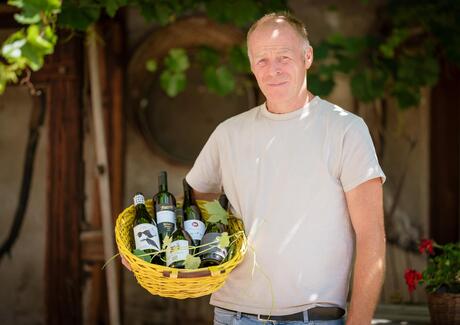
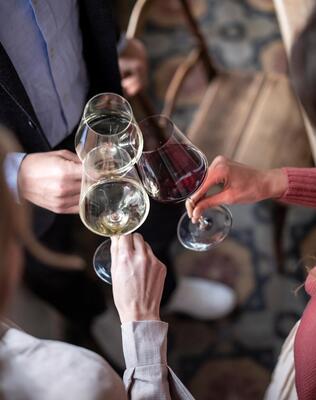
    In Völs am Schlern, six wineries have joined forces to raise the profile of their region. Each business operates independently, yet they all pull together. They bring their wine to life using events, gatherings and personal interaction. What holds this network together has less to do with strategy, and more to do with trust, continuity and a willingness to act in unison. Keep reading to find out how six different perspectives come together to form a single message.
  • -martin-kompatscher-zum-turm-1-kopie
    At the Zum Turm restaurant in Kastelruth, the Sader family prepares locally sourced meat with great care – from the animals they select themselves right down to the final cut. At the same time, everyday life in the kitchen shows just how much coordination and organisation goes into making local food systems work. When it comes to vegetables in particular, there is a need for reliable supply volumes, suitable delivery routes and structures that link producers and the catering industry. Günther Sader explains why, for him, transparency on where ingredients come from is more important than making fancy promises on the menu – and why local collaboration only works if the underlying structures grow alongside it.
  • A man is smiling in the camera
    Klemens Villgrattner
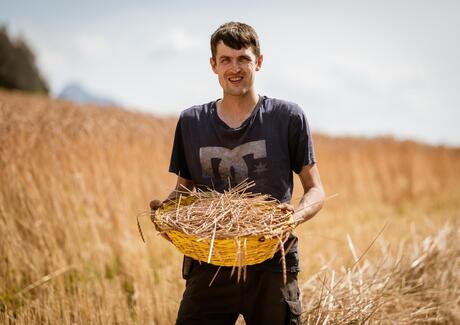
    Klemens Villgrattner grows various types of grain at the Rosenwirtshof, including wheat, spelt, rye and buckwheat. Johannes Tratter uses some of the grain at the Tratter Bakery to make local bread, whilst the rest is used in Monika Damian’s kitchen at the Hotel Cyprianerhof. They know each other, consult one another, and think ahead. In this way, the grain becomes part of a shared task – from the field, through the bakery, right onto the plate.
  • A woman is holding a piece of speck in her hand
    Local economic cycles that connect
    The “Zu Gast bei Pionieren” (Visiting the Pioneers) event, organised by IDM South Tyrol and the Dolomites Region Seiser Alm, demonstrated how collaboration can generate regional economic value. The focus lay on businesses that are breaking new ground and working closely with partners from agriculture and gastronomy. The farmer Klemens Villgrattner supplies the Tratter bakery with his grain, which is used to make bread, served in turn at places such as the Hotel Cyprianerhof. At the Stampferhof, Veronika Stampfer gave an insight into her work and demonstrated how animal welfare and careful meat processing go hand in hand.
Experience local economic cycles on location
Events
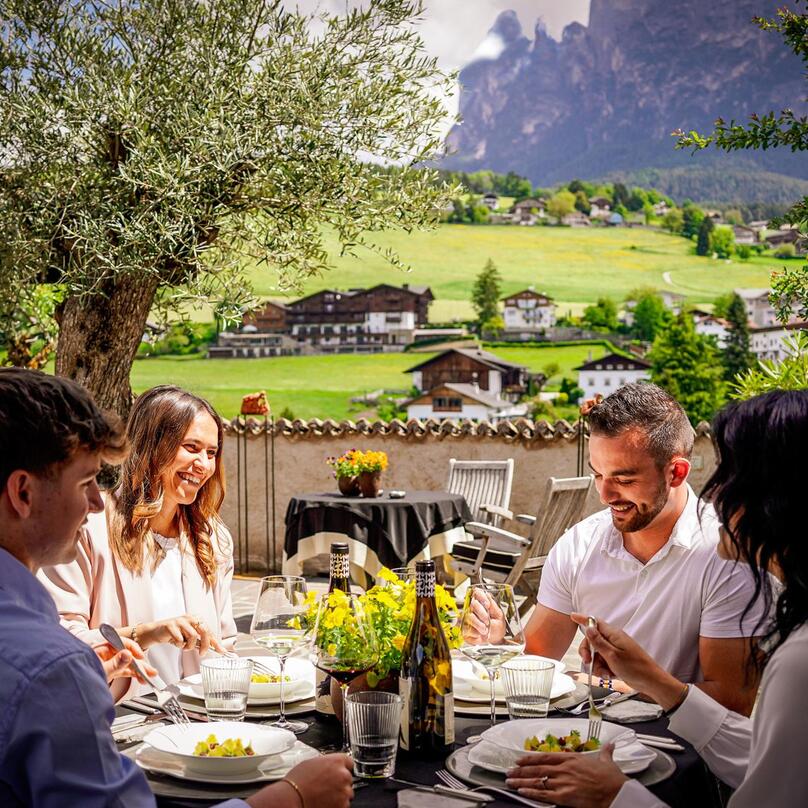
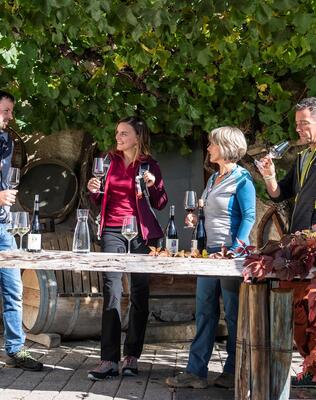
Farmers’ markets, farm tours and culinary evenings offer an insight into the alma network. At the Schlerngenuss Dolomites culinary event, participating restaurants cook exclusively with ingredients from the region – just one example of an evening that highlights just how closely producers and restaurateurs work together.
Two men and two women are sitting at a table eating
Event highlights at a glance
  • Culinary weeks Schlerngenuss | June 2027
  • The Völser Dorfkuchl – Street food | June 2027
  • Berglertafel | July 2027
  • The „Völser Kuchlkastl“ | October 2027
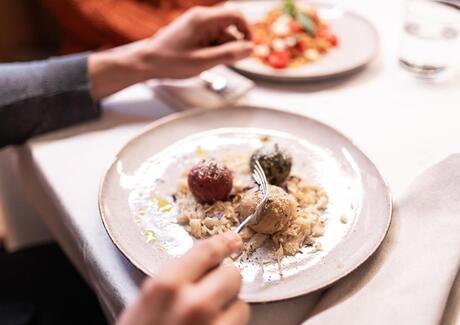
  • A person is eating dumplings
    Culinary highlights made from regional products
    If you enjoy regional cuisine, you will love these specialty weeks. In June, participating restaurants offer numerous culinary delights prepared exclusively from regional products. Sustainability and close cooperation between producers and local hosts take centre stage – and of course, so does enjoyment.
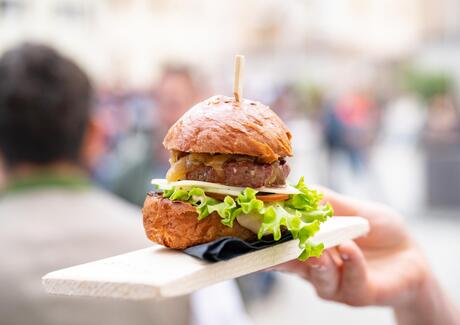
  • Hamburger served on a wooden board
    Culinary event in Völs am Schlern
    In June, the village square of Völs am Schlern becomes a meeting place for food enthusiasts from near and far. Innkeepers, farmers and producers from Völs serve a variety of delicacies, freshly prepared before your eyes at show kitchens and tasting stands. A summer evening of culinary excellence awaits you!
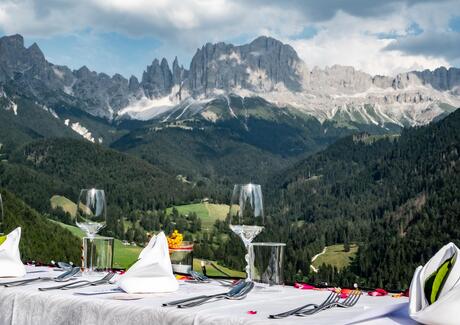
  • gedeckter-tisch-mit-rosengarten-6
    A gourmet menu with a breathtaking mountain backdrop
    Against the unique backdrop of the Dolomites, a 100-metre-long table awaits you in July on the Proa alpine meadow in Tires, at the foot of the Rosengarten. The table offers seating for 170 food lovers. An exclusive 5-course menu featuring typical local specialities from Tires will be served. To find out how to get your tickets, simply click the button below.
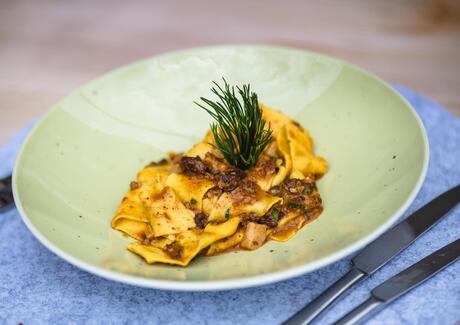
  • Tagliatelle with game ragout
    Gastronomic October in Völs am Schlern
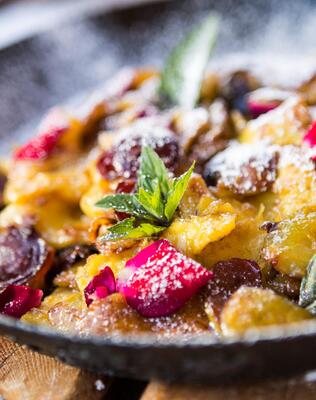
    Hearty delicacies prepared by the innkeepers of Völs am Schlern take centre stage during these autumn weeks of indulgence. Traditional recipes are reinterpreted, refined and creatively transformed. Regional and seasonal ingredients are used almost exclusively. Join in this October highlight for gourmets – an event beloved far beyond the region’s borders!
Weekly Food and Drink Fair from June to October
The Farmers’ Markets

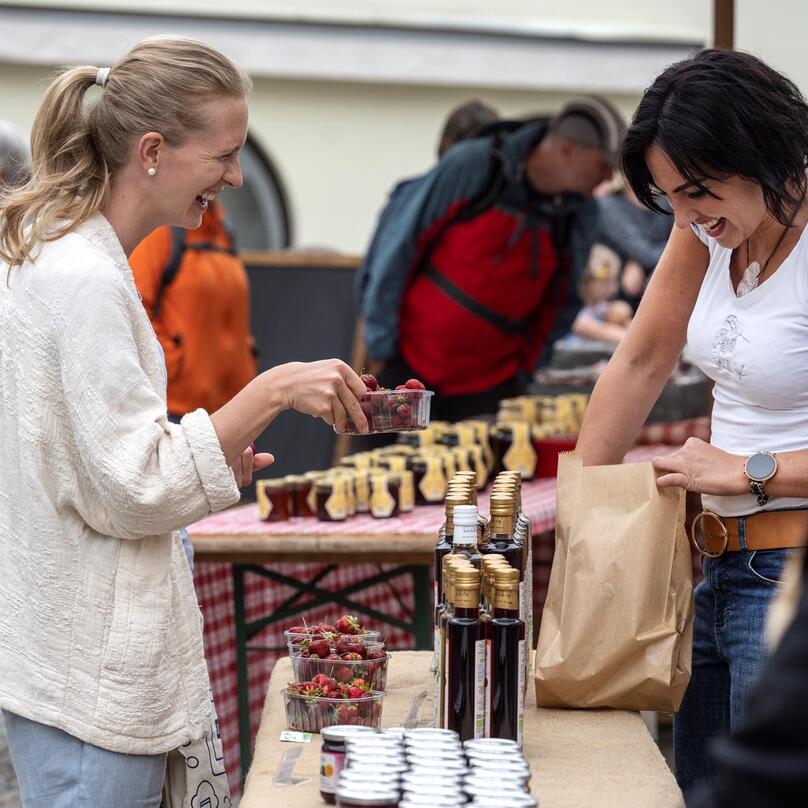
From June to October, regular farmers’ markets are held in the villages of Dolomites Region Seiser Alm. Local farmers bring along what they grow and produce on their farms: fresh vegetables, cheese, bread, herbs and other regional specialities. The markets act as the meeting point for the village, and provide an insight into the variety of agricultural products in the region.
seiser-alm-marketing-helmuth-rier-1